

Continuing with this series (which will have at least two more parts to it) on what reducing the number of minor league teams would mean, today we are going to look at what it would mean when it comes to signing and drafting players. Part one of the series looked at the thousands of jobs, both on the field and in the dugout, as well as the staff for the teams themselves, could mean. Part two looked at what the drastic reduction of teams would mean for fans and the future of the game – particularly in the town/cities that would lose their professional baseball teams.
On Friday over at The New York Times, David Waldstein first noted that Major League Baseball is pushing for an overhaul of the Minor Leagues. Shortly after that, JJ Cooper had a far more expansive and more detailed article on it at Baseball America. You should read both of those stories before continuing, because there’s a whole lot of stuff to unpack. The big point of impact, though, would be the reduction of up to 42 teams in minor league baseball – mostly from the short-season leagues around the country.
The Minor Leagues, just like the Major Leagues have a finite number of spots on each roster. But unlike the Major Leagues, the number of roster spots depends on the number of teams you have. Teams with more affiliates have more overall roster spots for players than teams with fewer affiliates. That makes sense, of course. The New York Yankees, for example, have eight affiliates in the United States, and then another team in the Dominican Summer League. The Boston Red Sox only have six teams in the United States, but do have two teams in the Dominican Summer League.
Among the things this proposal wants to address is having every organization have the same number of teams in the United States. The Yankees, with eight teams making up 285 roster spots, would see their numbers drop to five teams and 150 roster spots. We kind of touched on this the other day when it came to the players losing jobs thing. But it goes beyond that, too.
With fewer roster spots, it means less need to sign as many players. That will come into play in the draft and internationally. There simply won’t be enough roster spots to continue signing the same number of players you are currently signing. Domestically, that would be tackled with a big reduction in the number of rounds in the draft – and that was mentioned in the proposal.
Those players who normally would have been drafted would have several options. They could go back to school if they have eligibility remaining. They could go play in the “Dream League”, which is basically a proposed somewhat independent league. The players could go play in an established independent league. Or they could simply be forced to move on to the next step of their life.
This could have an interesting effect on college baseball. I’m not entirely sure of the numbers, and with a change in how many rounds are available the drafting philosophies would change, but baseball players share 11.5 scholarships as it is. How many juniors that used to be drafted and signed, will now go undrafted and head back to school – leaving fewer scholarships available that are already limited to less than half of one per rostered player?
That is likely to cause players from lower income households to be left out a little more often than they already are in college baseball. But what about international players? That’s where things get a bit more interesting, and there are a few layers there.
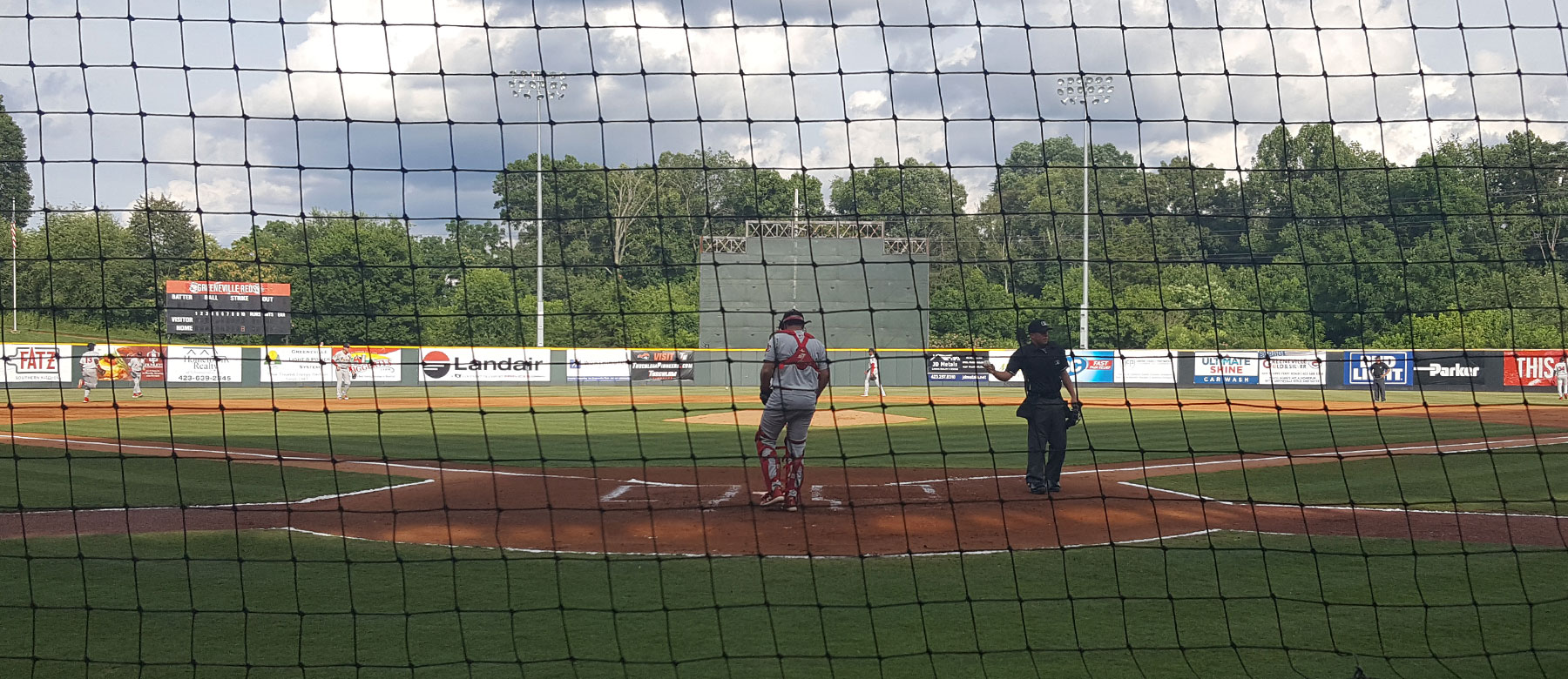
While the new proposal does seem to limit the stateside teams to five – one complex level team (Arizona Rookie League or Gulf Coast League), and four full-season teams – there does not seem to be anything about limiting the number of Dominican Summer League teams. Right now there are more than a few organizations that have two such teams. The Cincinnati Reds, if you recall, recently had two DSL teams, but when they bought the Greeneville team from the Astros they scaled back to one team – eliminating the DSL Rojos.
With fewer teams above the Dominican Summer League, there’s less room for promotion. That means guys there are going to get less time to develop because those roster spots are going to be needed, and if you’re 19 and not showing the right steps, you may be out of a job.
But it’s not just the guys losing the job who might still be the same age as a guy who just graduated high school in the United States because of the lack of upward mobility. Teams will be signing fewer players out of Latin American countries, too. The lack of mobility will create a log jam. The lack of roster spots will create a log jam.
It also means that the lower-dollar signings aren’t going to happen. Last night saw Jose Altuve hit a walk-off home run to send the Houston Astros to the World Series. He’s one of the better players in baseball over the last decade. He’s a star. If this situation had taken place 15 years ago, Jose Altuve probably would have never been signed. Emma Span wrote about the journey taken by Altuve for Sports Illustrated back in 2014.
The story of Altuve’s signing as a 16-year-old in 2006, for $15,000, has already taken on the quality of myth: how he attended an Astros tryout, was cut one day and told not to come back by evaluators who couldn’t see past his height. How he showed up at the next session anyway and impressed several observers,
They told Jose Altuve to not come back. Fortunately for them, he didn’t listen. But what if the rules were different and the roster spots simply didn’t exist to pick up a guy on a whim and a hope? Well, that would suck a whole lot. But that’s exactly what will happen if teams are cut out. And it will effect baseball in Latin America far more than it will in America, where there are high schools, junior colleges, 4-year colleges, and even independent leagues to continue showing off your talents for scouts.
In Latin America if you aren’t signed by 18, you are an after thought. You better show an elite kind of tool after that age if you’re going to sign. At least with a Major League team. And that’s in the system today – where they have roster spots to hand out. Perhaps in this theoretical future players from the Dominican Republic, Venezuela, Colombia, and a few others wind up signing with teams in the Mexican Baseball League or the Japanese or Korean professional leagues? Either way, a lot of kids from these countries are going to be cut out of the Major League Baseball pipeline.
As it relates directly to the Cincinnati Reds, it gets interesting. As noted above, they eliminated a team in the Dominican Summer League just two years ago. If there isn’t going to be a limit on how many teams you can have there, perhaps they open things back up and bring back the Rojos. As things stand right now, the AZL Reds have basically become the “advanced” version of their Dominican Summer League squad. If the new rules are put in place we could very well see something like this happen, giving the organization more roster spots to work with and give them a little more leeway in terms of how many international players they could sign.